
Description
Product Overview
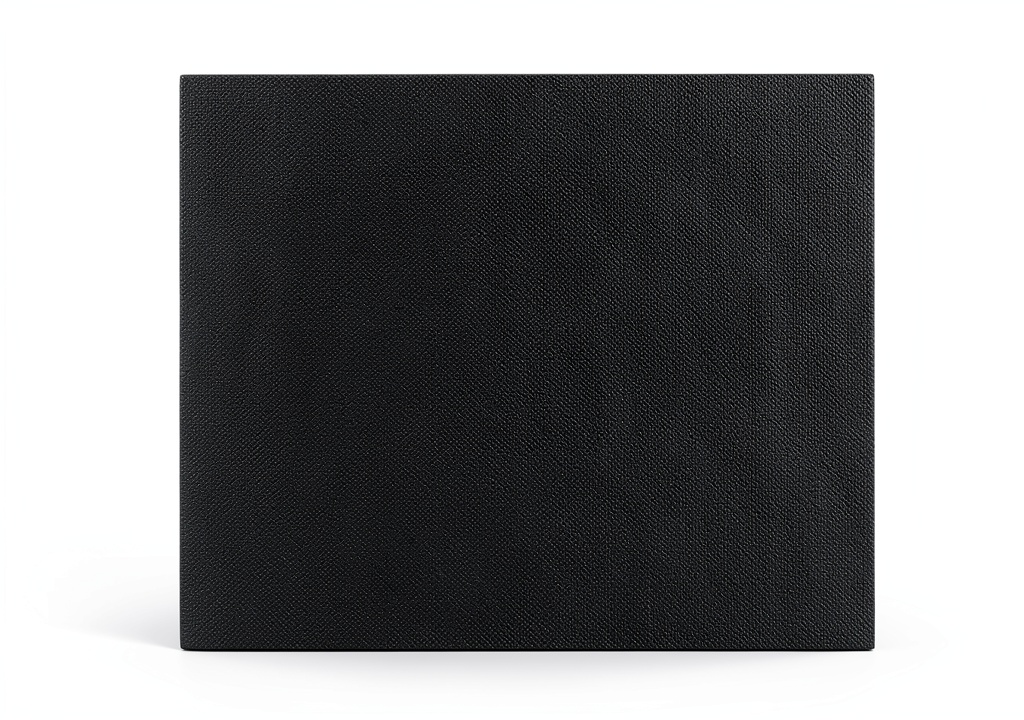
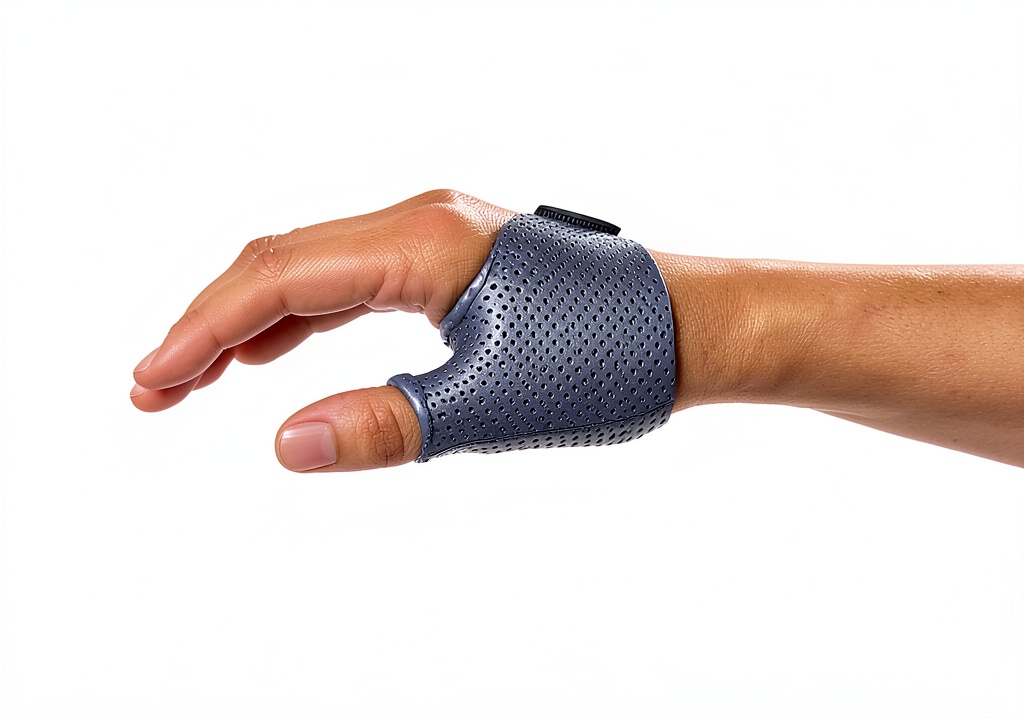
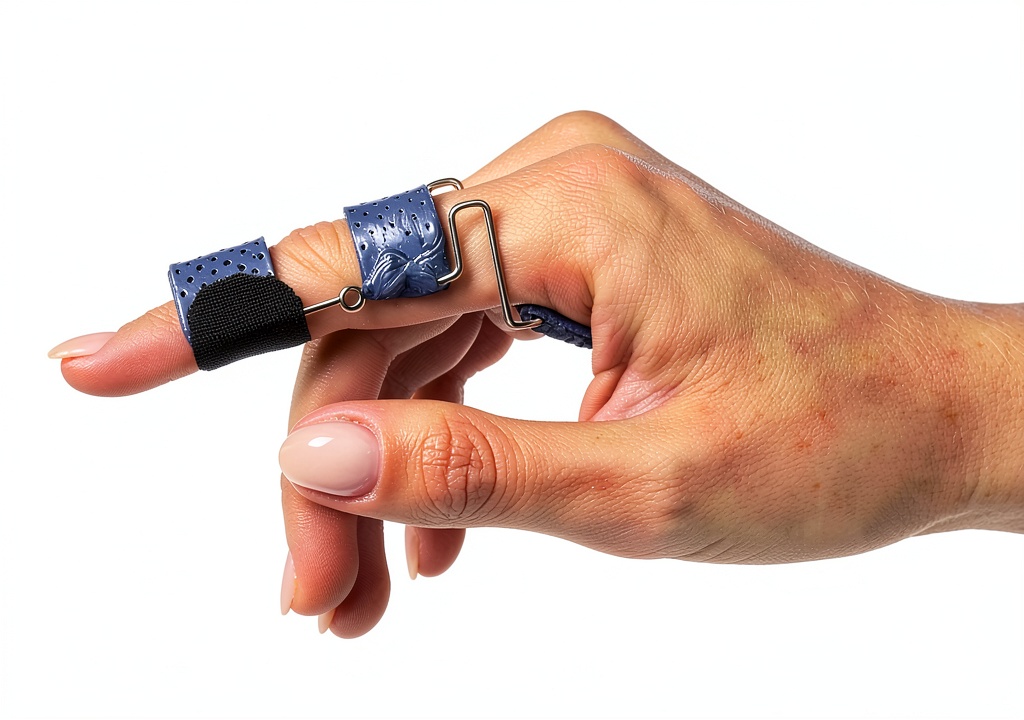
The Orfit Micro‑Perforated Splint Sheet is engineered to meet the demanding requirements of modern orthopedic practice. Constructed from a high‑grade polymer blend, the sheet combines durability with a lightweight feel, allowing clinicians to shape and trim the material without compromising structural integrity. The distinctive metallic blue coloration not only provides a professional appearance but also helps medical staff quickly identify the product among other supplies. With a surface perforation rate of 13 percent, the sheet promotes airflow, reducing moisture buildup and enhancing patient comfort during prolonged wear. Its dimensions of 18 inches wide by 24 inches long and a thickness of 1/12 inch give practitioners a versatile canvas that can be customized for a wide range of splinting and bracing applications, from pediatric casts to adult orthopedic supports. The sheet’s micro‑perforated architecture also contributes to its ability to conform to irregular body contours, providing a semi‑rigid yet adaptable support layer that distributes pressure evenly. This reduces the risk of pressure points and skin irritation, which are common concerns in long‑term immobilization. Additionally, the non‑sterile status of the material allows it to be safely sterilized in most standard autoclave cycles, giving hospitals and clinics flexibility in infection control protocols. The product complies with relevant medical device standards and has been tested for tensile strength, ensuring it can withstand the forces encountered during daily activities without tearing or deformation. Its chemical resistance to common disinfectants further extends its service life, making it a cost‑effective solution for high‑volume medical facilities.
Manufacturing of the Orfit sheet follows a controlled extrusion and thermo‑forming process that ensures uniform thickness and consistent perforation patterns across each batch. Each sheet undergoes rigorous quality inspections, including visual checks for surface defects, dimensional verification with calibrated measuring tools, and mechanical testing to confirm that the perforation does not compromise the sheet’s load‑bearing capacity. The product is packaged in a sealed, moisture‑resistant polybag that protects the material from environmental exposure during storage and transport. The packaging includes clear labeling with the model number 24‑5775‑4, color designation ‘Metallic Atomic Blue’, and key specifications, enabling quick identification by inventory managers. For added convenience, the sheets are supplied in a compact cardboard box that fits standard medical supply shelves, reducing the footprint in busy clinical environments.
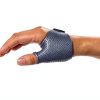
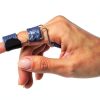
The versatility of the Orfit sheet makes it suitable for a broad spectrum of clinical scenarios. In pediatric orthopedics, the lightweight yet supportive material can be molded to accommodate growing limbs, providing gentle immobilization without excessive bulk. For adult patients recovering from fractures or postoperative procedures, the sheet offers a reliable platform for custom‑fabricated splints that can be adjusted as swelling subsides. Physical therapists often incorporate the sheet into dynamic bracing systems, where its breathable surface helps maintain skin integrity during active rehabilitation exercises. Additionally, the sheet can be used in veterinary applications, where the same properties benefit animal patients requiring temporary support. Its compatibility with standard fastening methods, such as Velcro straps, elastic bandages, and orthopedic pins, ensures seamless integration into existing treatment protocols.
Compliance with industry standards is a cornerstone of the Orfit sheet’s design. The product meets the requirements of ASTM F2029 for polymeric splinting materials and conforms to ISO 10993‑1 for biocompatibility, ensuring that it does not elicit adverse tissue reactions when in contact with skin. The sheet is also listed under the FDA’s 510(k) clearance pathway for non‑sterile orthopedic devices, providing an additional layer of regulatory assurance for healthcare providers. Packaging includes a tamper‑evident seal and clear labeling that lists the model number, color, dimensions, and material composition, facilitating accurate inventory management and rapid order fulfillment. For institutions that require bulk purchasing, Orfit offers volume discounts and the option to receive the sheets on reusable pallets, further streamlining supply chain logistics and reducing environmental impact.
Usage
In hospital wards, emergency rooms, and outpatient clinics, the Orfit sheet is frequently selected for its quick preparation time and reliable performance. When a patient arrives with a suspected fracture, clinicians can cut the sheet to the required shape, secure it with bandages, and achieve immediate stabilization while awaiting radiographic confirmation. The sheet’s breathable surface reduces the likelihood of skin maceration, which is especially important in humid environments or for patients with compromised circulation. Home health nurses also appreciate the material’s ease of handling, as it can be trimmed with ordinary scissors and molded without the need for specialized tools. The compact packaging allows caregivers to keep a stock of sheets on hand for emergency use, ensuring that immobilization can be provided without delay.
During rehabilitation, physical therapists often incorporate the Orfit sheet into custom braces that support joint alignment while permitting controlled movement. The sheet’s micro‑perforated design facilitates moisture evaporation, keeping the skin dry during prolonged wear and minimizing the risk of odor development. For patients with chronic conditions such as osteoarthritis or ligament injuries, the sheet can be layered with additional padding to create a comfortable yet supportive orthotic device. Its non‑sterile nature means that it can be sterilized in the clinic’s autoclave, allowing repeated use across multiple treatment sessions. Moreover, the vibrant blue color serves as a visual cue for both clinicians and patients, indicating that the device is a temporary support that can be removed once healing progresses.
Educating patients on proper care of the splint sheet enhances treatment outcomes and reduces complications. Clinicians should instruct users to keep the sheet clean and dry, inspecting it daily for signs of wear or skin irritation. When the sheet becomes soiled, it can be removed, cleaned with mild soap, and re‑sterilized according to the facility’s protocols before reapplication. Patients should also be advised to avoid exposing the sheet to extreme temperatures, as excessive heat can deform the polymer. For home‑based care, caregivers can use the sheet’s flexible nature to adjust the fit as swelling decreases, ensuring continuous support without the need for a new device. Providing clear written guidelines and visual demonstrations helps patients feel confident in managing their own immobilization, which can accelerate recovery and improve satisfaction.
Why Choose Us
Choosing Orfit as a supplier brings confidence in product reliability and regulatory compliance. The company’s long‑standing reputation in the medical device industry is backed by extensive research and development investments that focus on material science and patient comfort. Each sheet is produced under ISO‑9001 certified conditions, ensuring traceability from raw material sourcing to final packaging. This rigorous quality management system minimizes variability between batches, providing clinicians with a consistent performance profile that they can trust in critical care situations. In addition, Orfit offers comprehensive technical support, including detailed application guides, training videos, and responsive customer service teams that can address any questions regarding product handling or customization.
Orfit also distinguishes itself through its commitment to sustainability and cost efficiency. The polymer formulation is designed to be resistant to common disinfectants, extending the usable life of each sheet and reducing waste in high‑volume settings. By offering a non‑sterile product that can be sterilized on‑site, hospitals can avoid the expense of purchasing pre‑sterilized alternatives while maintaining strict infection control standards. The company’s logistics network ensures rapid delivery to medical facilities across the United States, minimizing downtime for inventory replenishment. Together, these factors make Orfit’s micro‑perforated splint sheet a pragmatic choice for clinicians who demand performance, safety, and economic practicality.
Orfit’s commitment to after‑sales service extends beyond the point of sale, offering customers access to a dedicated technical support hotline staffed by experienced biomedical engineers. These professionals can provide guidance on optimal cutting techniques, recommend compatible fastening accessories, and troubleshoot any issues that arise during clinical use. The company also maintains an online resource center where users can download detailed product datasheets, safety data sheets, and instructional videos that demonstrate step‑by‑step application methods. For facilities seeking to train new staff, Orfit offers on‑site workshops and webinars that cover best practices for splint fabrication, infection control, and patient education. This comprehensive support infrastructure ensures that healthcare providers can maximize the value of the Orfit sheet throughout its lifecycle, reducing downtime and enhancing overall patient care quality.
Key Features
- Breathable micro‑perforated surface reduces moisture buildup, keeping skin dry and comfortable during extended wear, and helps prevent skin irritation in high‑stress environments.
- Durable polymer blend provides a lightweight yet strong platform that can be trimmed and shaped without cracking, supporting a wide range of orthopedic applications.
- Metallic blue color offers high visibility for quick identification in busy clinical settings, reducing the chance of mix‑ups with other supplies.
- Compatible with standard fastening methods such as Velcro straps, elastic bandages, and orthopedic pins, allowing seamless integration into existing treatment protocols.
- Orfit provides dedicated after‑sales support, including technical assistance, product documentation, and a responsive customer service team to address any usage questions.
FAQ
Can the Orfit sheet be sterilized for reuse?
Yes, the Orfit Micro‑Perforated Splint Sheet is designed to withstand standard autoclave cycles. Because the material is non‑sterile, facilities can sterilize it in‑house according to their infection control protocols. The polymer composition resists degradation from typical steam sterilization temperatures, preserving its mechanical properties and perforation pattern after multiple cycles. Users should follow the manufacturer’s recommended maximum number of sterilization cycles to ensure optimal performance over the product’s lifespan.
What size adjustments are possible with this sheet?
The sheet measures 18 inches by 24 inches with a thickness of 1/12 inch, providing a generous working area for custom splint fabrication. Clinicians can cut the material to any shape required for a specific patient’s anatomy, using standard scissors or a utility knife. The flexible nature of the polymer allows it to be molded around irregular contours, and the micro‑perforated surface maintains breathability even after trimming. This adaptability makes it suitable for both pediatric and adult applications.
Is the metallic blue color safe for patients with skin sensitivities?
The metallic blue pigment used in the Orfit sheet is a medical‑grade, hypoallergenic dye that complies with ISO 10993‑1 biocompatibility standards. It does not contain heavy metals or allergens that could provoke skin reactions. Nevertheless, clinicians should monitor patients for any signs of irritation, especially during the initial period of wear. If a reaction occurs, the sheet can be removed, cleaned, and re‑sterilized before reapplication, or an alternative color option can be selected if available.
How does the sheet perform in high‑humidity environments?
The 13 percent micro‑perforation design promotes airflow across the surface, which helps evaporate sweat and moisture even in humid conditions. This feature reduces the risk of skin maceration and odor development, making the sheet comfortable for prolonged use in warm climates or during intensive physical therapy. The polymer’s resistance to moisture absorption also prevents the material from swelling or losing structural integrity when exposed to humidity.
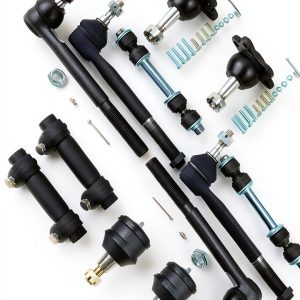 Chevrolet C1500 Tie Rod End Assembly SCITOO
Reviews
There are no reviews yet.